Your comprehensive guide to Al Kuwait Hospital Dubai ensures you understand its services, accessibility, and how to navigate healthcare in this modern facility. We break down everything you need to know about Al Kuwait Hospital Dubai for a smooth experience.
Key Takeaways
- Access top-tier healthcare services at Al Kuwait Hospital Dubai.
- Understand the hospital’s key specialties and facilities.
- Learn about appointment booking and patient registration.
- Discover visitor information and hospital amenities.
- Find directions and contact details for Al Kuwait Hospital.
Navigating healthcare in a bustling city like Dubai can feel overwhelming, especially when you need to find the right medical facility. Al Kuwait Hospital Dubai stands as a beacon of advanced medical care, serving the community with dedication and expertise. Whether you are a new resident, a visitor, or a long-time expat, understanding the services offered by this prominent hospital is crucial for your well-being. This guide is designed to demystify Al Kuwait Hospital Dubai, providing you with clear, step-by-step information so you can confidently access the care you need. We’ll walk you through everything from its specialties to practical tips for your visit, ensuring a seamless experience.
Understanding Al Kuwait Hospital Dubai: A Pillar of Healthcare
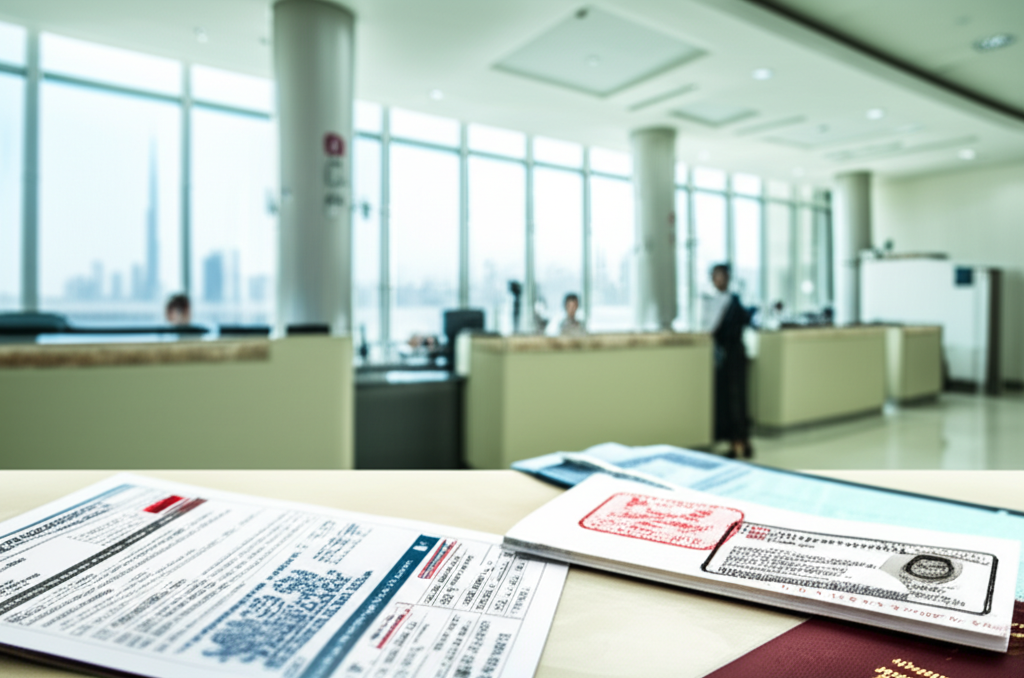
Al Kuwait Hospital Dubai, often referred to as Kuwaiti Hospital, is a significant healthcare institution within the Emirate. Established with a commitment to providing high-quality medical services, it plays a vital role in Dubai’s public health infrastructure. The hospital focuses on delivering patient-centered care, leveraging modern medical technologies and a team of skilled healthcare professionals. Its presence ensures that residents and visitors have access to comprehensive medical treatment across various specialties, aligning with Dubai’s vision for a world-class healthcare system.
The hospital is not just a place for treatment; it’s a hub for health education and preventive care, aiming to improve the overall health and wellness of the community it serves. Its strategic location and comprehensive services make it a go-to destination for many seeking reliable medical attention. Understanding its background and mission helps in appreciating the role it plays in the daily lives of Dubai’s diverse population.
Key Services and Specialties at Al Kuwait Hospital
Al Kuwait Hospital Dubai offers a wide array of medical services designed to cater to a broad spectrum of health needs. The hospital prides itself on its multidisciplinary approach, ensuring that patients receive holistic care. Here are some of the key departments and specialties you can find:
| Department | Description of Services | Special Focus |
|---|---|---|
| Outpatient Clinics | General consultations, specialist referrals, and follow-up appointments. | Primary care, chronic disease management, and early diagnosis. |
| Emergency Department | Immediate medical attention for acute illnesses and injuries. | Trauma care, critical conditions, and life-saving interventions. |
| Internal Medicine | Diagnosis and treatment of a wide range of adult diseases. | Cardiology, endocrinology, gastroenterology, nephrology, pulmonology. |
| Pediatrics | Comprehensive healthcare for infants, children, and adolescents. | Well-baby check-ups, vaccinations, and management of childhood illnesses. |
| Obstetrics and Gynecology (OB/GYN) | Maternity care, women’s reproductive health services. | Antenatal care, delivery, postnatal care, family planning, and gynecological surgeries. |
| Surgery | Various surgical procedures, both elective and emergency. | General surgery, orthopedic surgery, urology, and more. |
| Radiology and Imaging | Diagnostic imaging services. | X-rays, CT scans, MRIs, ultrasounds. |
| Laboratory Services | Diagnostic testing for various medical conditions. | Hematology, biochemistry, microbiology, and pathology. |
Beyond these core departments, Al Kuwait Hospital Dubai may also offer specialized services such as dermatology, ophthalmology, ENT (Ear, Nose, and Throat), and physiotherapy, depending on its current offerings and expansion plans. It’s always a good idea to check their official website or contact them directly for the most up-to-date information on available specialties.
Navigating Your Visit: Appointments and Registration

One of the most common questions for any new patient is how to book an appointment and register. Al Kuwait Hospital Dubai aims to make this process as smooth as possible. Here’s a general guide:
- Check Eligibility and Health Insurance: The hospital primarily serves UAE nationals and a specific segment of residents, often through government health initiatives or by accepting certain insurance providers. It’s crucial to verify if you are eligible to receive services and to confirm if your health insurance is accepted. You can typically find this information on the Dubai Health Authority (DHA) website or by contacting the hospital directly. For services mandated by the Dubai Health Insurance Law, ensure your provider is recognized.
- Obtain a Medical Record Number (MRN): If you are a new patient, you will need to obtain an MRN. This is a unique identifier for your medical records. You can usually do this by visiting the hospital’s registration counter in person.
- Booking an Appointment:
- Phone: Many public hospitals in Dubai have a central appointment booking number. You can call this number, provide your MRN (if you have one) and the department you wish to see, and the receptionist will help you find a suitable slot.
- In Person: You can also visit the hospital’s outpatient department (OPD) or the relevant clinic to book an appointment.
- Online/App: Increasingly, Dubai government health facilities are adopting digital platforms. Check the Dubai Health Authority (DHA) app or website for potential online booking options or patient portals.
- Prepare for Your Visit: On the day of your appointment, arrive a little early. Bring your Emirates ID, health insurance card (if applicable), and any previous medical reports or test results that might be relevant to your condition.
- Registration and Waiting: Upon arrival, you may need to complete some registration formalities. Then, you will be directed to the waiting area for your specific clinic.
Pro Tip: If you require an interpreter, inform the hospital when booking your appointment. This ensures that communication barriers are minimized, allowing for better understanding and care.
Understanding Patient Registration and Documentation
Proper documentation is key to a smooth registration process at Al Kuwait Hospital Dubai. For UAE nationals, your Emirates ID is paramount. For expatriates, the process can vary, but typically involves:
- Emirates ID: This is your primary identification document in the UAE.
- Health Insurance Card: If you have private health insurance or are covered under a government scheme, your insurance card is essential.
- Referral Letter: If you are referred from another clinic or hospital, bring the referral letter along with any existing medical records.
- Passport and Visa Copy: In some cases, particularly for initial registration or if you don’t have an Emirates ID yet, a copy of your passport and UAE visa might be requested.
New patients will be issued a Medical Record Number (MRN) which will be used for all future interactions with the hospital. This number is crucial for tracking your medical history and appointments efficiently. Ensure you keep this number safe and readily available.
Emergency Services at Al Kuwait Hospital Dubai
In critical situations, Al Kuwait Hospital Dubai’s Emergency Department is equipped to handle urgent medical needs. The department operates 24/7, providing immediate care for patients experiencing severe illnesses or injuries. When you arrive at the ER, you will typically undergo an initial assessment by a triage nurse, who will determine the severity of your condition and prioritize your treatment accordingly. It’s important to note that while all emergencies are attended to, patients with life-threatening conditions will be seen first.
The Emergency Department is staffed by experienced doctors and nurses trained in emergency medicine. They have access to advanced diagnostic tools and immediate treatment facilities to stabilize patients and provide necessary interventions. For any serious medical emergency, always make your way swiftly to the nearest emergency room or call for an ambulance.
Visitor Information and Hospital Etiquette
Al Kuwait Hospital Dubai welcomes visitors who wish to support their loved ones during their stay. However, to ensure a peaceful and healing environment for patients, there are guidelines in place:
- Visiting Hours: Specific visiting hours are usually designated for different wards. These hours are designed to allow patients adequate rest. Check with the hospital staff or the ward nurse for the exact timings.
- Number of Visitors: Generally, only a limited number of visitors are allowed at one time per patient to avoid overcrowding and disruption.
- Patient Well-being: Visitors are encouraged to maintain a quiet demeanor and respect the privacy of other patients. Avoid bringing food or drinks that might interfere with the patient’s diet or pose a health risk, unless cleared by medical staff.
- Hygiene: Practicing good hand hygiene is crucial. Hand sanitizing stations are usually available, and visitors may be asked to wash their hands before and after visiting a patient.
- Children: In some cases, there may be restrictions on young children visiting, especially in critical care units, to protect both the child and the patient.
Adhering to these guidelines helps create a supportive and conducive environment for recovery. The hospital’s staff are there to assist visitors with any queries they may have regarding hospital policies.
Directions and Contact Information for Al Kuwait Hospital Dubai
Locating Al Kuwait Hospital Dubai is straightforward, as it is situated in a well-connected area. It is located in the Al Qusais area of Dubai, making it accessible for residents of that community and surrounding neighborhoods.
Address:
Al Kuwait Hospital
Al Qusais 1, Damascus Street
Dubai, United Arab Emirates
Contact Numbers:
For general inquiries and appointments, it is best to check the official Dubai Health Authority (DHA) website for the most current contact numbers, as these can be updated. Typically, you can reach the hospital through a central DHA contact line or specific hospital extensions.
Public Transportation:
The hospital is accessible via public transport. You can use the Dubai Metro, with the nearest stations often being a short taxi or bus ride away. Several bus routes also serve the Al Qusais area, passing close to the hospital. Using apps like the RTA Dubai app can help you plan your journey effectively.
Driving Directions:
If you are driving, the hospital is easily accessible from major road networks, including Sheikh Mohammed Bin Zayed Road (E311) and Al Khail Road (E44). Follow signs for Al Qusais and then for Al Kuwait Hospital. Ample parking is usually available on the hospital premises, though charges may apply.
It is always advisable to verify the exact location and contact details through the official Dubai Health Authority (DHA) website before your visit, as facilities and contact information can be updated.
Preparing for Your First Visit: A Checklist
To ensure your first visit to Al Kuwait Hospital Dubai is as smooth as possible, here’s a helpful checklist:
- Appointment Confirmation: Double-check your appointment date and time.
- Identification: Carry your Emirates ID and/or passport copy.
- Health Insurance Card: If you have one, bring it along.
- Referral Letter: If applicable, have your referral letter ready.
- Previous Medical Records: Bring any relevant past medical reports, test results, and medication lists.
- List of Questions: Jot down any questions you have for the doctor.
- Comfortable Clothing: Wear something comfortable, especially if you are undergoing certain examinations.
- Payment Method: Be prepared for potential consultation fees or co-pays, depending on your insurance or eligibility. It’s good to have cash or a credit/debit card.
- Contact Information: Have the hospital’s contact number handy in case of any last-minute changes or queries.
Being prepared minimizes stress and allows you to focus on your health concerns.
Frequently Asked Questions (FAQ) about Al Kuwait Hospital Dubai
<h3>Is Al Kuwait Hospital Dubai for UAE Nationals only?</h3>
While Al Kuwait Hospital Dubai is a public healthcare facility that prioritizes UAE nationals, it also serves residents, particularly those covered under specific government health insurance schemes or those who are eligible for services. It’s best to verify your eligibility and insurance coverage with the hospital or the Dubai Health Authority (DHA) beforehand.
<h3>What are the operating hours for the Outpatient Department (OPD)?</h3>
The operating hours for the Outpatient Department vary by specialty. Generally, OPDs function during weekdays, often from Sunday to Thursday, with specific morning and afternoon shifts. It is recommended to call the hospital or check the DHA website for the exact timings of the department you wish to visit.
<h3>Can I walk in for a specialist consultation without an appointment?</h3>
While emergency cases are handled immediately, walk-in appointments for specialist consultations at the outpatient department are generally not recommended. It is advisable to book an appointment in advance to ensure you are seen by the doctor and to avoid long waiting times.
<h3>Does Al Kuwait Hospital Dubai accept international health insurance?</h3>
Acceptance of international health insurance can vary. Public hospitals in Dubai primarily work with local insurance providers and government schemes. If you have international insurance, you should contact the hospital’s billing or insurance department directly to confirm if they are in-network with your provider.
<h3>What medical services are available in the Emergency Department?</h3>
The Emergency Department provides immediate medical care for acute illnesses and injuries. This includes treatment for trauma, severe pain, breathing difficulties, cardiac emergencies, and other life-threatening conditions. It is equipped to stabilize patients and provide critical care.
<h3>How can I access my medical records from Al Kuwait Hospital Dubai?</h3>
Accessing medical records typically requires a formal request. You may need to visit the hospital’s medical records department in person with your identification. Specific procedures and forms will need to be completed. For digital access, check if the DHA offers a patient portal where you can view some of your health information.
<h3>Are there pharmacies within Al Kuwait Hospital Dubai?</h3>
Most major hospitals in Dubai, including public ones, have an on-site pharmacy that dispenses medications prescribed by the hospital’s doctors. The pharmacy usually operates during specific hours, which may extend into the evening or be 24/7 for emergency services. You will need a valid prescription from a doctor at the hospital.
Conclusion
Al Kuwait Hospital Dubai remains a cornerstone of the UAE’s commitment to providing accessible and high-quality healthcare. By understanding its services, appointment procedures, and visitor guidelines, you can confidently navigate your healthcare journey within its facilities. This guide has aimed to equip you with the essential information, from booking your first appointment to knowing what to expect during an emergency. Remember to always refer to the official Dubai Health Authority resources for the most current and precise details. Dubai’s healthcare sector is continuously evolving, and Al Kuwait Hospital Dubai is at the forefront, dedicated to the well-being of all its patients.