Embark on your Dubai to Kuwait by road adventure with this comprehensive guide. We’ll navigate border crossings, essential documents, and driving tips for a seamless journey, ensuring you arrive prepared and confident.
Key Takeaways
- Plan your route and check border requirements beforehand.
- Gather all necessary travel documents for a smooth crossing.
- Understand Saudi Arabian and Kuwaiti driving laws.
- Prepare your vehicle for the long desert drive.
- Stay informed about potential delays and road conditions.
- Enjoy the unique experience of overland travel in the GCC.
Dreaming of exploring Kuwait by car from Dubai? The idea of a road trip across multiple countries can seem daunting, especially with varying regulations and long distances. You might wonder about the best way to prepare, what documents you’ll need, and how to ensure a safe and efficient journey. This guide is designed to demystify the process of traveling from Dubai to Kuwait by road. We’ll break down every step, from packing your bags to crossing the borders, making your overland adventure a reality. Get ready to discover the vast landscapes and unique cultures that lie between these two dynamic Gulf cities.
Dubai to Kuwait by Road: Your Ultimate Guide
The journey from Dubai to Kuwait by road is an exciting adventure for many expats and travelers in the UAE. It offers a unique perspective on the Gulf Cooperation Council (GCC) region, allowing you to witness the diverse landscapes and experience the cultural nuances firsthand. Unlike flying, this overland route provides a tangible sense of the distances and a chance to immerse yourself in the journey. However, it requires careful planning, an understanding of border crossing procedures, and preparation for driving in different environments. This guide will equip you with all the essential information you need for a successful and enjoyable trip.
Planning Your Dubai to Kuwait Road Trip
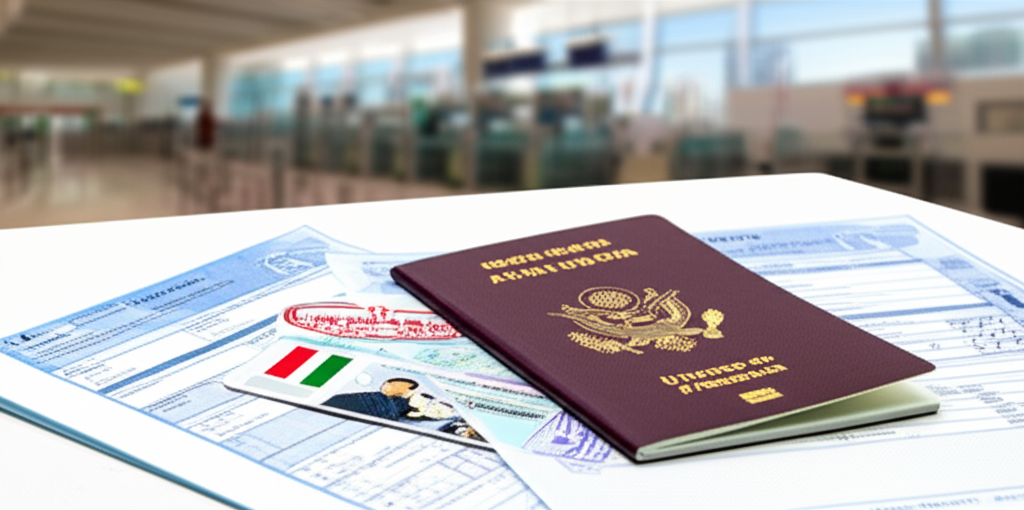
Successful road trips are built on solid planning. Before you even think about starting the engine, there are several crucial aspects to consider. Dubai, known for its order and efficiency, mirrors this approach in its travel advisories and international relations. Understanding the pre-travel requirements will set you up for a smooth experience, much like how Dubai Police ensures public safety through proactive measures and clear regulations.
Route Selection: The Saudi Arabian Corridor
The most common and practical route for traveling from Dubai to Kuwait by road is through Saudi Arabia. This involves driving from Dubai into Saudi Arabia and then continuing north to the Kuwaiti border. The total distance is approximately 1,500 to 1,700 kilometers, depending on your starting and ending points and the specific roads you take within each country.
The general progression of the route looks like this:
- Dubai, UAE to Riyadh, Saudi Arabia: This is the longest leg of your journey within a single country, covering a significant portion of the Arabian Peninsula.
- Riyadh, Saudi Arabia to the Kuwaiti Border: From the capital, you’ll drive north towards the border crossing.
- Saudi-Kuwait Border Crossing: This is where you’ll complete exit procedures for Saudi Arabia and enter Kuwait.
- Kuwaiti Border to Your Destination in Kuwait: The final stretch to your chosen city or town in Kuwait.
Visa Requirements and Border Crossings
Navigating international borders requires understanding visa regulations. For most nationalities traveling from the UAE to Kuwait via Saudi Arabia, you will need a valid visa for Saudi Arabia. Many nationalities can obtain a tourist e-visa for Saudi Arabia online, which simplifies the process significantly. It is crucial to check the latest visa requirements for your specific nationality well in advance of your trip. Information is readily available on official government websites.
The border crossings themselves are official checkpoints. You’ll need to present your documents to immigration and customs officials. Patience and politeness are key, much like interacting with Dubai Police personnel who uphold the law with professionalism.
Essential Travel Documents Checklist
Ensuring you have all the necessary documents is paramount. Missing a single item can lead to significant delays or even prevent you from crossing. Treat this checklist like preparing documentation for an Emirates ID application – thoroughness is key.
- Passport: Ensure it’s valid for at least six months beyond your intended stay in Kuwait and Saudi Arabia.
- UAE Residency Visa: If you are an expat residing in the UAE, your valid UAE residency visa is essential.
- Saudi Arabia Visa: As mentioned, a valid Saudi Arabian visa or an e-visa approval.
- Vehicle Registration (Mulkiya): The original vehicle registration document for your car.
- International Driving Permit (IDP) or Local Permit: While some countries accept foreign licenses, an IDP is often recommended for international travel. Check the specific requirements for Saudi Arabia and Kuwait.
- Car Insurance: Ensure your car insurance covers you for travel in Saudi Arabia and Kuwait. You may need to purchase additional cross-border insurance.
- Vaccination Certificates: Depending on current health regulations, you might need proof of certain vaccinations. Always check the latest advisories.
- Passport-Sized Photographs: It’s always handy to have a few spare passport-sized photos, especially if you need to fill out any on-the-spot forms.
Preparing Your Vehicle for the Journey
Your car is your lifeline on this journey. Ensuring it’s in optimal condition is non-negotiable. Dubai’s commitment to cutting-edge technology extends to vehicle safety and maintenance, and you should adopt a similar mindset for your road trip.
Pre-Trip Vehicle Inspection
Before embarking on a long desert drive, a comprehensive vehicle check is vital. This is similar to how Dubai Police conduct regular vehicle inspections to ensure road safety across the Emirate.
Key checks include:
- Tires: Check tire pressure, tread depth, and look for any signs of wear or damage. Carry a spare tire and a tire repair kit.
- Fluids: Ensure engine oil, coolant, brake fluid, and windshield washer fluid are at the correct levels.
- Brakes: Have your brakes inspected to ensure they are in perfect working order.
- Battery: Check the battery for corrosion and ensure it’s holding a charge.
- Lights: Verify all headlights, taillights, brake lights, and indicator lights are functioning correctly.
- Air Conditioning: Crucial for comfort in the desert heat.
Essential Items to Pack in Your Car
Beyond your personal luggage, your vehicle should be equipped with essentials for the journey.
- Emergency Kit: First-aid kit, jumper cables, tool kit, flashlight, reflective triangles, and a basic fire extinguisher.
- Navigation: GPS device or reliable smartphone with offline maps downloaded. Google Maps or Waze are excellent, but having a backup is wise.
- Water and Snacks: Carry more water than you think you’ll need, especially for desert driving. Non-perishable snacks are also a good idea.
- Phone Chargers and Power Banks: Keep your devices charged at all times.
- Comfort Items: Travel pillows, blankets, sunglasses, and sunblock.
- Cash: Have some local currency (Saudi Riyal and Kuwaiti Dinar) for tolls, small purchases, or emergencies.
Pro Tip: Always carry multiple passport-sized photos that meet UAE visa requirements. This saves time during the Emirates ID application.
Driving in Saudi Arabia
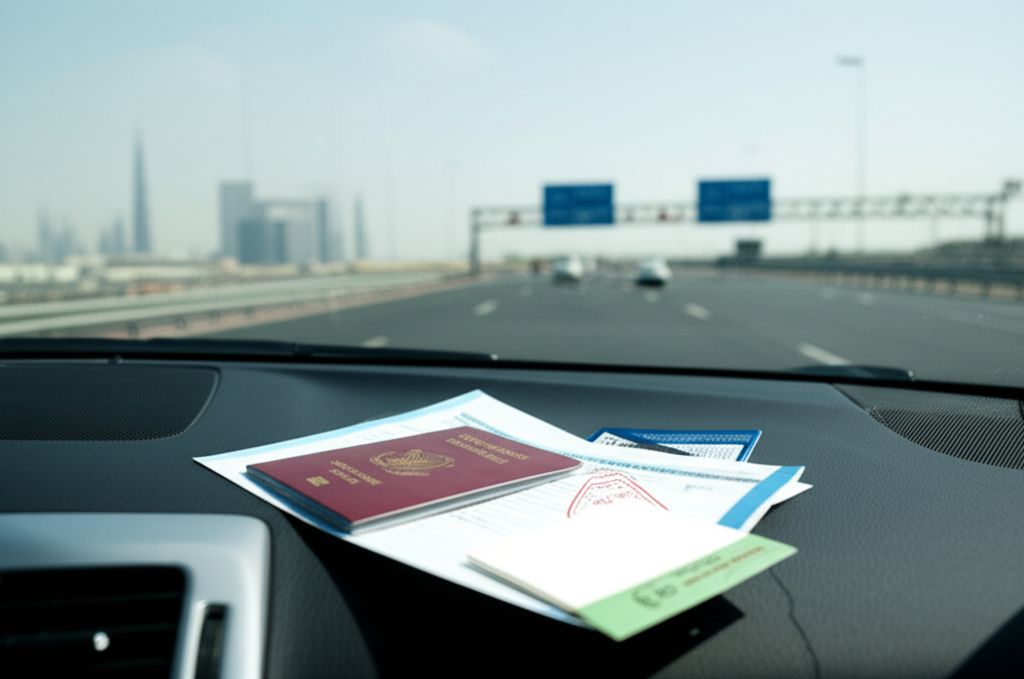
The drive through Saudi Arabia is the most substantial part of your journey. The country has made significant strides in its road infrastructure, mirroring Dubai’s focus on developing world-class public amenities. However, understanding local driving habits and regulations is crucial for safety.
Road Safety and Traffic Laws
Saudi Arabia has strict traffic laws. Speed limits are enforced, and seatbelt usage is mandatory. Be aware of aggressive driving habits that may sometimes occur, and maintain a defensive driving approach. Dubai Police’s commitment to road safety through advanced surveillance and public awareness campaigns is a model that drivers should emulate. This includes respecting speed limits and maintaining safe distances.
Key points to remember:
- Speed Limits: Adhere to posted speed limits; they vary between highways and urban areas.
- Seatbelts: Mandatory for all occupants.
- Mobile Phone Usage: Strictly prohibited while driving.
- Lane Discipline: Stay in your lane and use indicators for all maneuvers.
- Toll Roads: Some highways may have tolls.
Fuel and Rest Stops
Fuel stations are generally abundant along the main highways connecting major cities. However, it’s advisable to refuel whenever you have the opportunity, especially when driving through more remote desert stretches. Rest stops and service areas also provide amenities like restrooms and food. Many of these have been modernized, reflecting the Kingdom’s vision for improved public services.
Consider these tips for fuel and rest:
- Refuel Regularly: Don’t let your fuel tank get too low.
- Check Fuel Prices: Prices can vary, but are generally competitive.
- Utilize Service Areas: They offer essential breaks for drivers and passengers.
Crossing the Saudi-Kuwait Border
The border crossing is the gateway to Kuwait. This process involves official procedures for both immigration and customs. It’s an experience that, much like navigating Dubai’s own streamlined immigration processes for tourists, requires adherence to protocols.
Procedure at the Border Post
When you reach the Saudi-Kuwait border post, you will typically follow these steps:
- Vehicle Checkpoint: Your vehicle may be inspected.
- Exit Immigration (Saudi Arabia): Present your passport and any required exit documents. Your vehicle’s clearance will be processed.
- Customs (Saudi Arabia): Declare any goods if required.
- Entry Immigration (Kuwait): Present your passport and Kuwaiti visa (if required). Your entry will be stamped.
- Vehicle Registration and Customs (Kuwait): Provide your vehicle’s registration and insurance documents. You may need to purchase Kuwaiti third-party insurance if your existing policy doesn’t cover it.
Be prepared for potential queues, especially during peak travel times. Having all your documents organized and easily accessible will expedite the process.
Required Documents at the Border
At the border, you will need:
- Passports for all travelers.
- Vehicle registration (Mulkiya).
- Saudi exit stamp/clearance.
- Kuwaiti entry stamp/visa.
- Proof of Kuwaiti vehicle insurance.
Familiarize yourself with the specific requirements of the border crossing you intend to use, as procedures can sometimes vary slightly.
Driving in Kuwait
Once you’ve successfully crossed the border, you’ll be driving in Kuwait. Kuwait, much like its GCC neighbors, has modern infrastructure and established traffic regulations, though driver behavior can vary.
Traffic Laws and Road Conditions
Kuwait has well-maintained roads, particularly the main highways connecting its cities. Speed limits are enforced, and seatbelt usage is mandatory. Be aware of local driving styles, which can sometimes be fast-paced. Adhering to traffic laws is crucial for your safety and to avoid fines, a principle that resonates with the strong emphasis on public order maintained by Dubai Police.
Driving tips for Kuwait:
- Speed Limits: Observe posted speed limits carefully.
- Seatbelts: Always wear them.
- Mobile Phones: Do not use them while driving.
- Lane Changes: Use your indicators and be mindful of other drivers.
- Distances between Cities: Kuwait is relatively small, making inter-city travel efficient.
Navigation to Your Destination
GPS and navigation apps are very reliable in Kuwait. Major cities like Kuwait City are well-signposted. Ensure your phone is charged or you have a reliable GPS device to guide you to your final destination.
Important Considerations and Tips
Beyond the core driving and border procedures, several other factors can enhance your journey from Dubai to Kuwait.
Best Time to Travel
The best time to undertake this road trip is during the cooler months, typically from October to April. The desert heat in summer (May to September) can be extreme, making driving conditions uncomfortable and potentially hazardous for your vehicle. Traveling during these cooler months also aligns with the peak tourist seasons in the region, offering pleasant weather for exploration.
Accommodation Along the Way
If you plan to break up the journey, you’ll likely stop in Saudi Arabia. Riyadh is a major hub with numerous hotel options. You can book accommodations in advance through popular booking websites. Alternatively, some travelers opt for a single, long driving day, but this can be tiring. Planning your stops will depend on your personal preference for travel pace and comfort.
Emergency Contacts and Support
It’s vital to have important contact numbers saved:
- Your country’s embassy in Saudi Arabia and Kuwait.
- Your car insurance provider’s emergency roadside assistance number.
- Local emergency services numbers for Saudi Arabia and Kuwait (often 999 for police/ambulance).
Having these readily available ensures you can get help quickly if needed, much like knowing how to contact Dubai Police for any assistance.
Cultural Etiquette
Be mindful of local customs and traditions in Saudi Arabia and Kuwait. Dress modestly, especially when traveling through more conservative areas. Public displays of affection should be avoided. Understanding and respecting cultural norms will lead to a more positive and respectful travel experience.
Dubai to Kuwait by Road: A Comparative Table
To help you visualize the journey and its key aspects, here’s a table summarizing the essential information:
| Aspect | Dubai to Kuwait by Road | Flying Dubai to Kuwait |
|---|---|---|
| Duration | Approx. 15-18 hours of driving time (can be split over 1-2 days) | Approx. 1.5 hours flight time |
| Cost | Varies (fuel, tolls, potential accommodation, insurance) | Varies (flight ticket price, airport transfers) |
| Flexibility | High; stop where and when you wish | Limited; fixed flight schedules |
| Experience | Scenic, adventurous, cultural immersion | Quick, convenient, less immersive |
| Luggage Allowance | Unlimited (within vehicle capacity) | Restricted by airline policy |
| Documentation | Extensive (passports, visas, vehicle docs, insurance) | Simpler (passports, visas) |
| Comfort | Can be tiring; dependent on vehicle and driving stamina | Generally comfortable for the short duration |
Frequently Asked Questions (FAQ)
How long does it take to drive from Dubai to Kuwait?
The driving time is approximately 15 to 18 hours without significant stops. Many travelers prefer to break the journey into two days, with an overnight stop in Saudi Arabia, typically in or around Riyadh.
What is the best way to get a visa for Saudi Arabia for this trip?
For eligible nationalities, the most convenient option is to apply for a Saudi tourist e-visa online before your journey. Check the official Saudi Arabian Ministry of Foreign Affairs website for the latest information and eligibility criteria.
Do I need special insurance for my car to travel through Saudi Arabia and Kuwait?
Yes, your standard UAE car insurance may not cover you internationally. You will likely need to purchase comprehensive GCC-wide insurance or obtain specific cross-border insurance for Saudi Arabia and Kuwait. This can often be arranged at the border or through your insurance provider in the UAE.
Are there tolls on the road from Dubai to Kuwait?
Yes, there are toll roads within Saudi Arabia, particularly on major highways. It’s advisable to have some Saudi Riyals (SAR) handy to pay these tolls. There may also be tolls within Kuwait. Informing yourself about specific road charges before you travel is recommended.
What is the best route to take?
The most common and well-serviced route is via Saudi Arabia. From Dubai, head towards the Saudi border, drive through Saudi Arabia (often via Riyadh), and then head north to the Kuwaiti border. Navigation apps and GPS are highly reliable.
Is it safe to drive this route?
The route is generally considered safe, as major highways are well-maintained and well-lit. However, like any long-distance road trip, it requires vigilance. Adhering to speed limits, driving defensively, avoiding driving at night in unfamiliar areas, and ensuring your vehicle is in good condition are crucial for safety. Dubai’s emphasis on order and safety is a good reminder for all travelers to be prepared and responsible.
Conclusion
Traveling from Dubai to Kuwait by road is a rewarding experience that offers a deeper understanding of the Arabian Peninsula. By carefully planning your route, gathering all necessary documents, preparing your vehicle, and staying informed about local driving conditions and regulations, you can ensure a safe, comfortable, and memorable journey. This adventure is more than just a drive; it’s an opportunity to connect with the diverse cultures and landscapes of the GCC, echoing the spirit of connection and order that Dubai itself embodies. Embrace the journey, and you’ll find the road to Kuwait a fulfilling exploration.